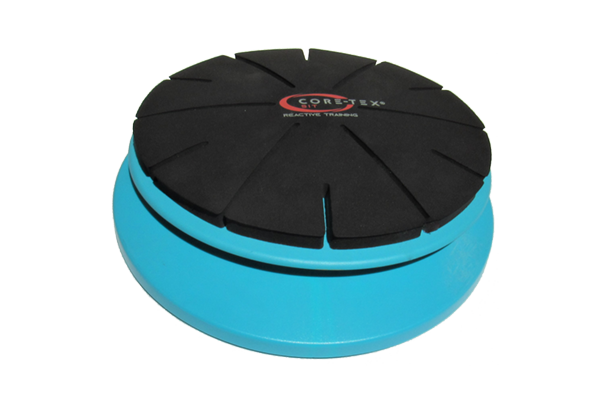
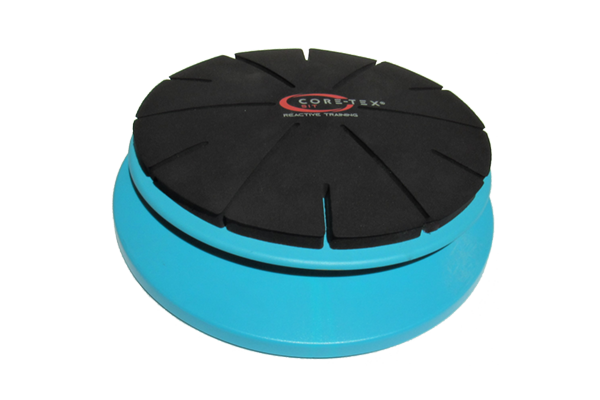
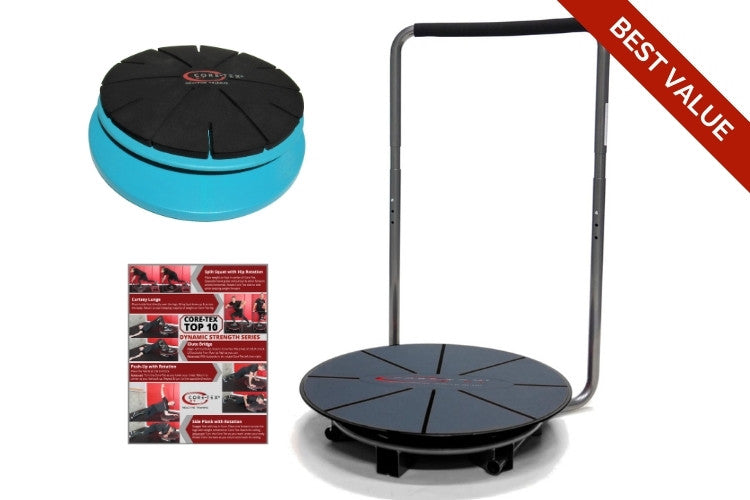






Three Ways to Recruit More Core & Pelvic Floor With Core-Tex Sit — Core Activation + Functional Control
When most people think about training their core, they picture planks, crunches, or floor-based exercises. But in real life, a large percentage of our core and pelvic floor function happens while sitting — at a desk, in a car, or during daily transitions.
That’s where Core-Tex Sit changes the conversation.
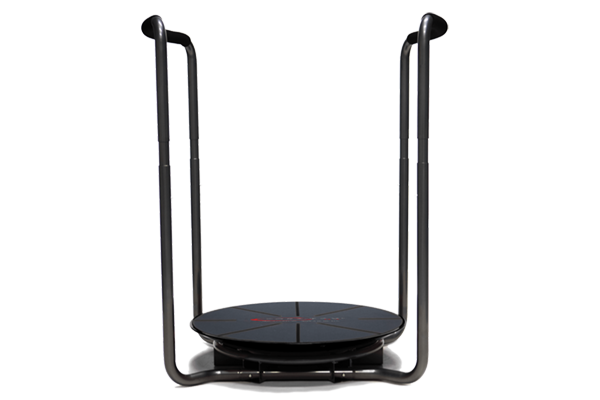
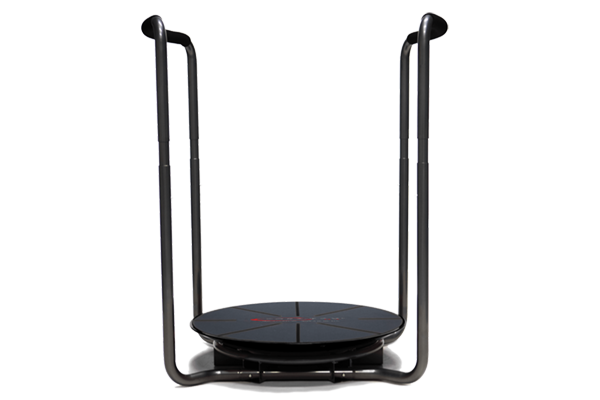
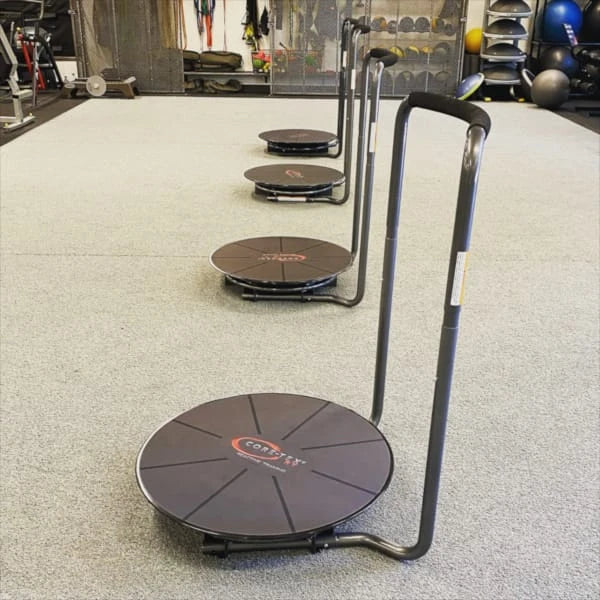
By introducing a reactive, unstable sitting surface, Core-Tex Sit creates continuous neuromuscular input that encourages deeper, more automatic activation of the core and pelvic floor, without aggressive effort or high loads.
Below are three simple but powerful ways to recruit more core and pelvic floor using Core-Tex Sit, whether you’re training at home, coaching in a studio, or guiding a rehab client.
Why Core & Pelvic Floor Activation Matters
The core and pelvic floor work as part of an integrated system responsible for:
-
Postural control
-
Spinal stability
-
Load transfer between the upper and lower body
-
Pelvic control during movement
-
Continence and pressure management
Rather than firing maximally, these muscles need to respond quickly, efficiently, and reflexively to subtle changes in position and load.
That’s exactly what happens when the nervous system is placed in a variable environment like sitting on a responsive surface instead of a rigid chair or bench or lying down.
How Core-Tex Sit Enhances Deep Core Recruitment
Traditional sitting provides almost no demand for active stabilization. The body quickly “checks out,” relying on passive structures instead of muscular support.
Core-Tex Sit changes that by introducing micro-movement in all directions. As the surface responds under you, the nervous system must constantly solve small motor problems, even when you’re sitting still.
This leads to:
-
Increased activation of deep abdominal muscles
-
Improved pelvic floor timing
-
Better coordination between breathing and stabilization
-
Reduced reliance on global, over-braced muscle strategies
Importantly, this happens without conscious over-cueing, making it ideal for long-term motor learning. That's the beauty of a reactive environment.
Who Benefits From This Approach?
This style of seated core training is ideal for:
-
Home users who want productive sitting instead of passive posture
-
Fitness professionals looking for smarter, low-impact core progressions
-
Rehab clinicians working with pelvic floor, hip, or low-back populations
-
Anyone who sits frequently and wants better movement quality without adding more workouts
The entry point is low, the learning curve is gentle, and the carryover is high.
Final Thoughts
Core and pelvic floor training doesn’t have to be aggressive, complicated, or confined to the floor. By turning sitting into a dynamic, responsive environment, Core-Tex Sit allows the nervous system to do what it does best — organize efficient, resilient movement.
Whether you’re training, coaching, or rehabbing, this approach builds strength where it actually matters:in real life.


