Search

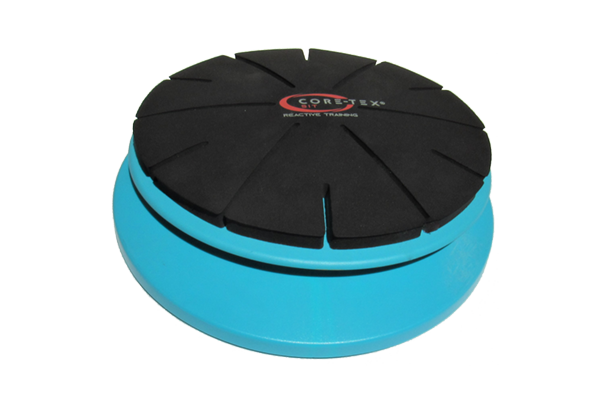
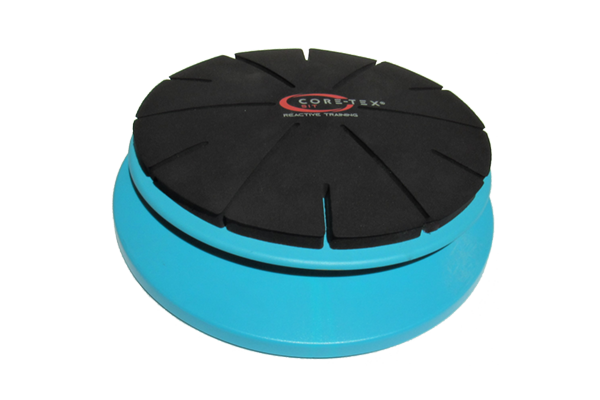
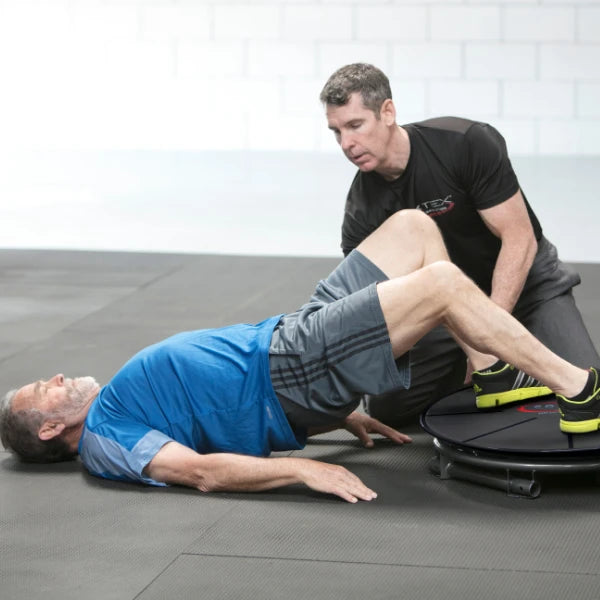
Core-Tex Sit Glute Bridge Unstable Base

By placing one foot on your Core-Tex Sit while doing a Glute Bridge, the body will work to adjust to and stabilize against all of the motions of Core-Tex Sit.  This adds new challenges to the glutes, hamstrings and lower back that you won't get with both feet on the floor.  

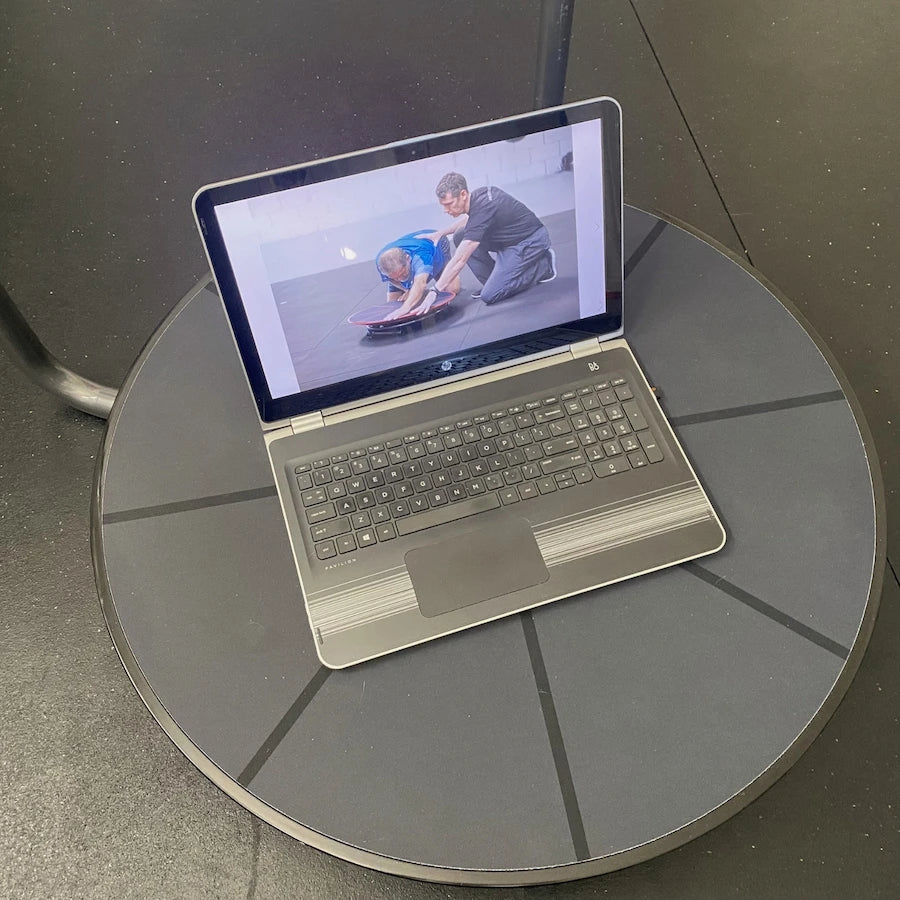
In this video, we break down how the Core-Tex Sit uses subtle, multi-directional movement specifically combined to activate the body’s natural “spinal engine”—the system of coordinated motion through the pelvis, lumbar spine, and trunk that keeps us mobile, resilient, and pain-free.

We are thrilled to announce that Core-Tex Sit, created by inventor Anthony Carey, has been recognized with the Best Product Inventor Award at the prestigious Global Launch Summit by ERA Global.

Diagonal pelvic tilts on the Core-Tex Sit may appear simple, but they’re often one of the most challenging and rewarding movements to master. While many users quickly get the hang of front-to-back and side-to-side pelvic motions, moving on a diagonal requires a higher level of motor control and body awareness—especially when it comes to isolating pelvic and lower back movement from the rib cage and upper torso.