









The Hidden Cost of “Good Posture” (And Why It May Be Causing Your Back Pain)
For years, we’ve been told that the key to avoiding back pain is simple: sit up straight, pull your shoulders back, and maintain “good posture.”
Makes sense, right? It sounds logical. It sounds responsible. And for many people, it’s become a daily habit of constantly correcting, adjusting, and trying to sit the “right” way.
But here’s the uncomfortable truth: Trying to maintain good sitting posture all day may be one of the fastest ways to create the very pain you’re trying to avoid.
The “Good Posture” Myth No One Questions
The idea that there’s a single ideal sitting posture has been repeated so often that it’s rarely challenged. Ergonomic guidelines, office chairs, and workplace setups are all built around the same assumption:
If you can just hold the right position, your body will be fine.
But your body doesn’t work that way. Stillness is the enemy of biology.
Human movement systems are not designed for stillness—they’re designed for constant adaptation. Muscles, joints, and the nervous system all rely on variability to stay healthy.
And research is starting to reflect that reality.
Large population studies have shown that prolonged sitting time is associated with increased back and neck pain, regardless of how someone sits. More importantly, those same studies show that breaking up sitting time reduces those negative effects.
In other words, the issue isn’t that you’re sitting wrong. It’s that you’re sitting the same way for too long.

Why Holding “Good Posture” Backfires
When you try to sit upright all day, what you’re really doing is holding a static, low-level contraction in your postural muscles for hours at a time.
It may feel “engaged” at first, but over time, that effort turns into fatigue. As fatigue sets in, a predictable chain reaction follows: stiffness increases, circulation decreases, and your ability to make natural adjustments starts to fade.
Research on workplace sitting and biomechanics consistently shows that static postures increase discomfort, tissue loading, and fatigue over time—even when those postures are considered “good.”
So the problem isn’t slouching versus sitting tall. The problem is trying to hold any position at all.
There’s No “Perfect” Sitting Position
One of the more surprising findings in recent research is that there isn’t a consistent link between a specific sitting posture and pain.
People with “poor posture” often have no symptoms. People with “ideal posture” often do.
What researchers are finding instead is that sitting behavior—how long you sit and how often you move matters more than the posture itself.
That doesn’t mean posture is irrelevant. It means posture is being misunderstood.
Instead of thinking about posture as a fixed position, it’s more accurate to think of it as something that should continuously change throughout the day.
When you lock yourself into a single position—even a “good” one, you shut that system down. And when that system shuts down, stiffness and discomfort tend to follow.
The Real Solution: Movement
Research on sitting behavior and dynamic work environments shows that movement variability and regular postural adjustments play a key role in reducing discomfort and improving function.
These micro-adjustments, small shifts in position, subtle changes in load are what keep joints nourished, muscles responsive, and the nervous system engaged.
It’s why people instinctively:
- shift in their seat
- lean forward or back
- adjust their position without thinking
It’s not bad behavior. It’s your body trying to solve the problem.

Why Most “Ergonomic”Solutions Miss the Mark
Most ergonomic chairs are designed with one goal in mind: keep you comfortable in a fixed position=stillness.
They provide support. They guide your posture. They reduce effort. And in doing so, they often eliminate the very thing your body needs most=movement.
The more a chair “helps” you stay still, themore it reinforces the cycle of static sitting. That’s why so many people pay thousands of dollars to upgrade their chair and still experience back pain from sitting.
Because the issue was never the chair alone. It was the lack of variability.
A Different Approach: Dynamic Sitting
Instead of trying to find the perfect position, a better approach is to create an environment where your body can’t stay still, even if it tries.
This is the idea behind dynamic sitting. Dynamic sitting introduces subtle instability that encourages your body to continuously adjust, react, and self-organize.
Those adjustments are small, often barely noticeable, but they create the variability your system depends on. Just enough so that you don’t feel like you are going to fall over and can’t focus on the task in front of you.
Where Core-Tex Sit Changes the Equation
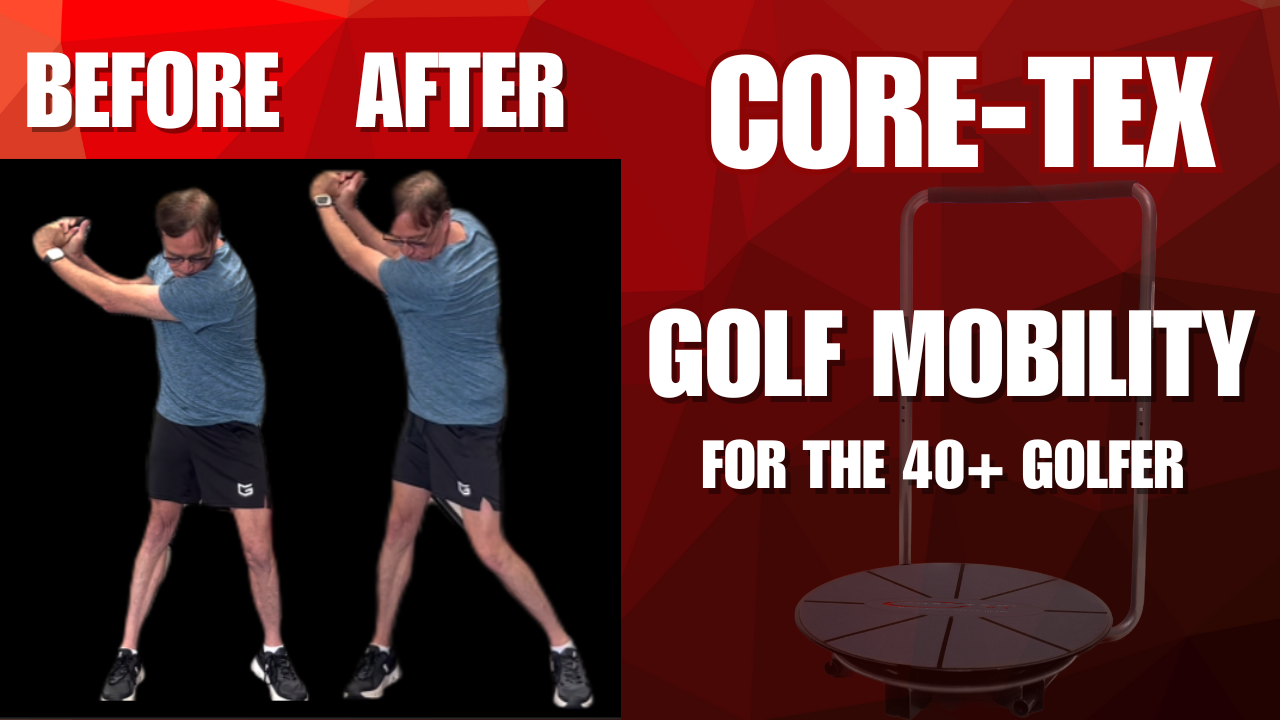
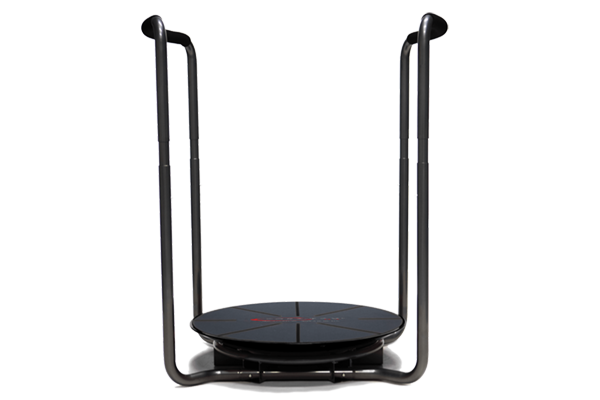
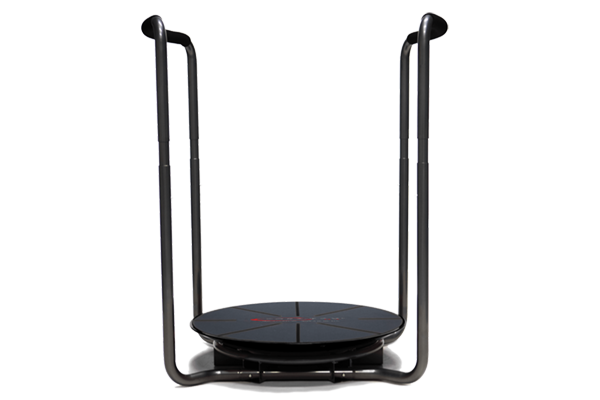
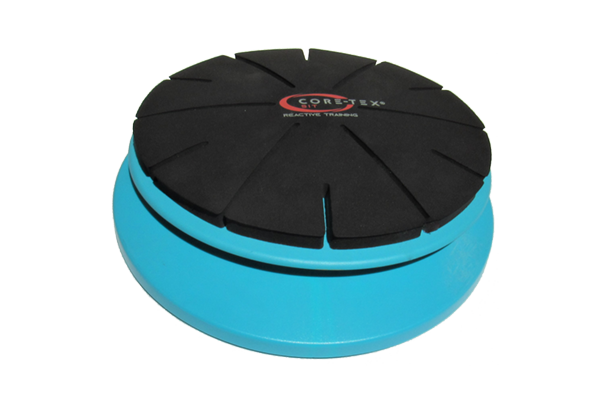
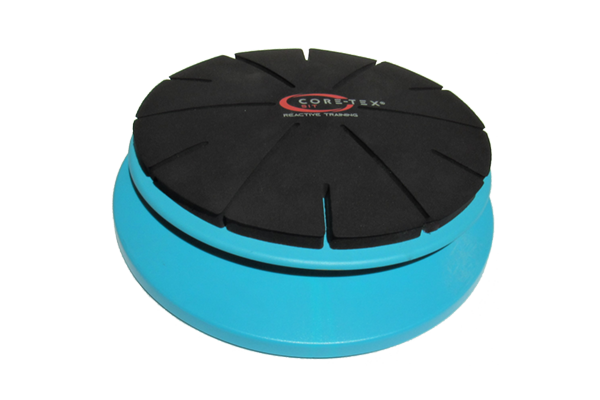
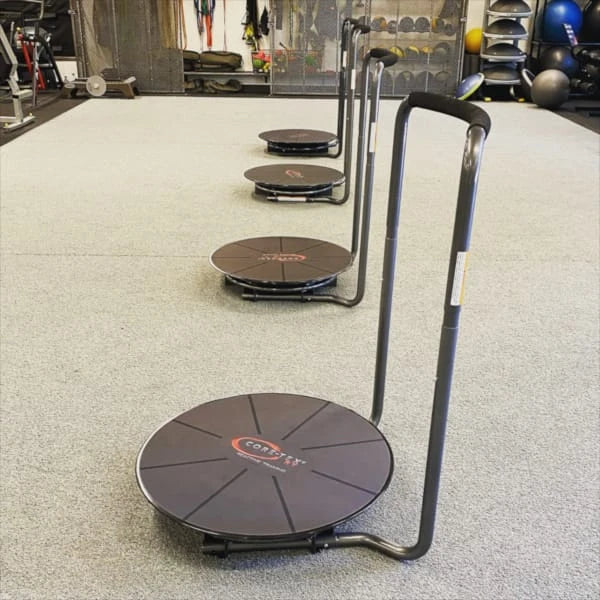
This is where Core-Tex Sit fundamentally changes the equation.Instead of supporting a static position, it creates a responsive surface that encourages continuous micro-adjustments throughout the day.
Every shift in weight becomes input. Every adjustment becomes activity.
You’re no longer trying to sit correctly. Your body is constantly adapting on its own. And that aligns with what both research and real-world experience continue to show:
The healthiest sitting strategy isn’t perfect posture. It’s constant variation.
The Bottom Line
“Good posture” isn’t wrong—it’s just incomplete.What’s missing is movement. And without movement, even the best posture becomes a liability.
If you spend hours sitting every day, the question isn’t whether you’re sitting correctly.It’s whether your environment is allowing you to move.
Because in the end, the healthiest posture isn’t something you hold.It’s something that’s always changing.
Want access to the research?? Click here: https://bit.ly/nostaticsitting