





Measured Swing Improvements — and Why They Matter Even More for the Average Golfer
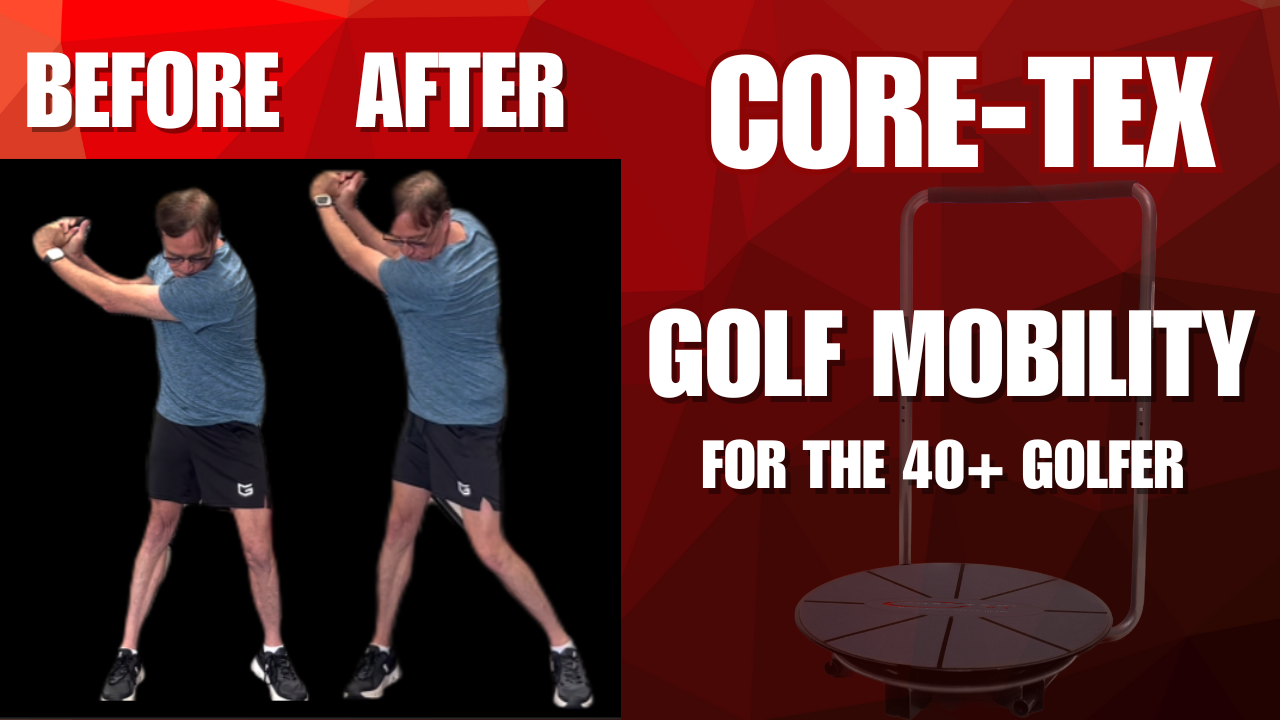
Using motion analysis technology at the PGA Show, we captured immediate, objective improvements in torso and pelvic rotation after using Core-Tex.
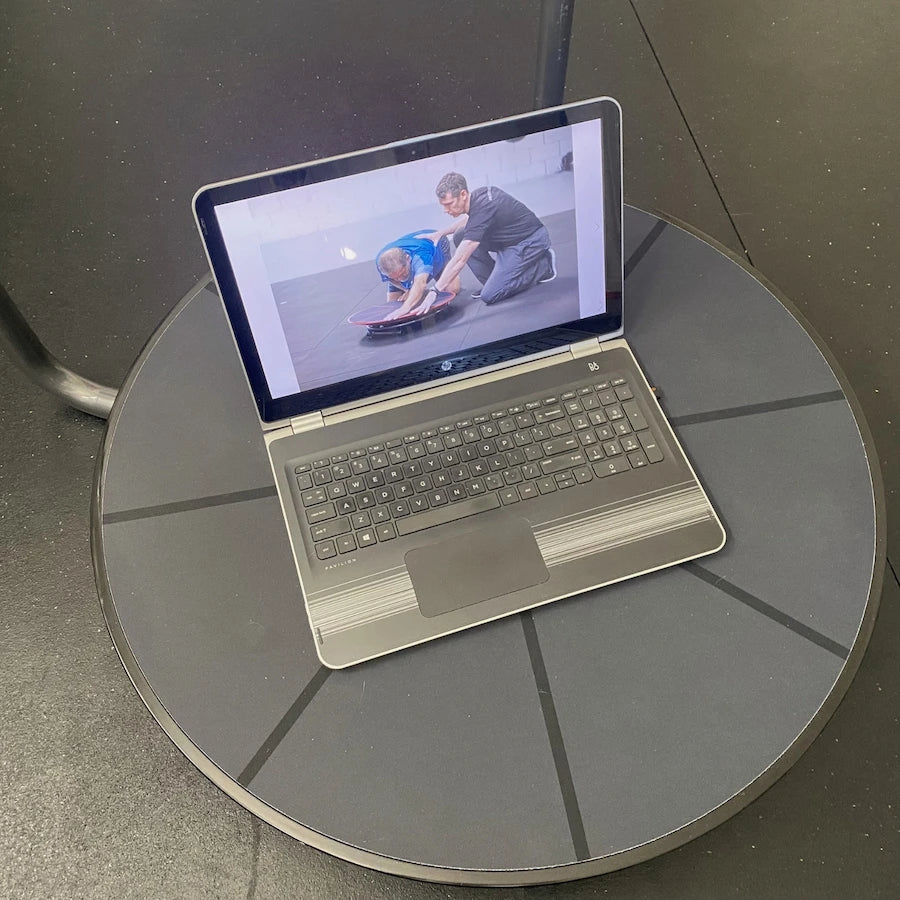
At the PGA Show, we partnered with a motion analysis company, Sportsbox AI to measure how Core-Tex affects real golfers in real time — not how it feels, but what actually changes.
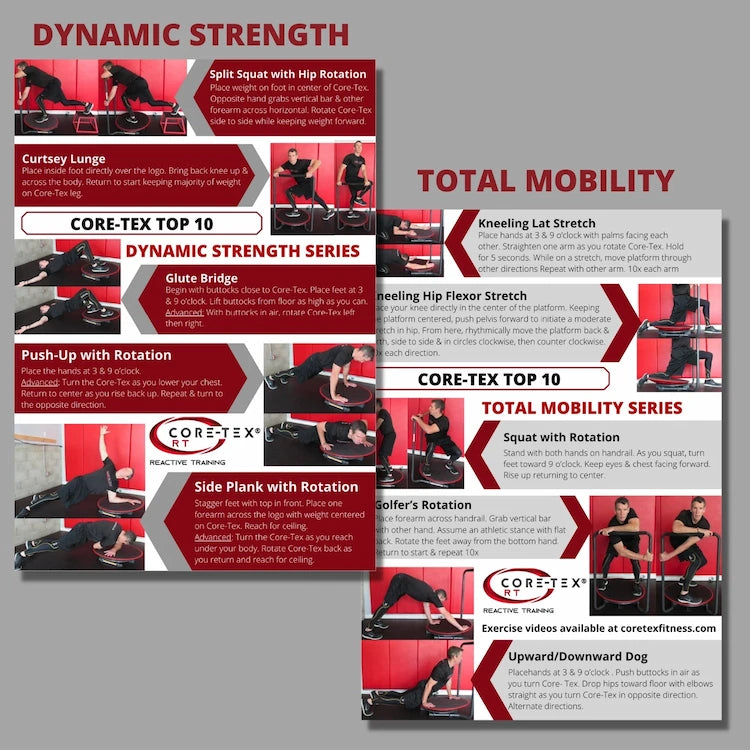
In this before and after, the golfer showed 6° more chest turn and 4° more pelvic turnwith just 3 Core-Tex moves that took less than 5 minutes.
For a skilled golfer, those are meaningful changes. They equal improved rotation, a longer backswing arc, and a longer, smoother acceleration window — all without swinging harder.
But here is an important takeaway:
If these changes show up in a golfer who already has a great swing, the potential gains are often even greater for the average golfer.
Most amateur golfers don’t regularly work on mobility, rotational control, or how their torso and pelvis move relative to each other. That means they typically start with more restrictions and more compensations. When movement improves, the gains are often larger and more noticeable.
What this can mean for the average golfer
Increased torso and pelvic rotation can translate to:
-
More turn without feeling “tight” at the top
-
Easier distance without trying to swing harder
-
Better contact from improved sequencing
-
Less stress on the lower back from reduced compensation
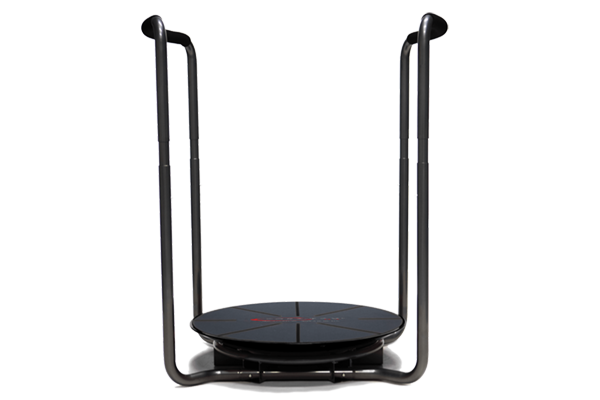
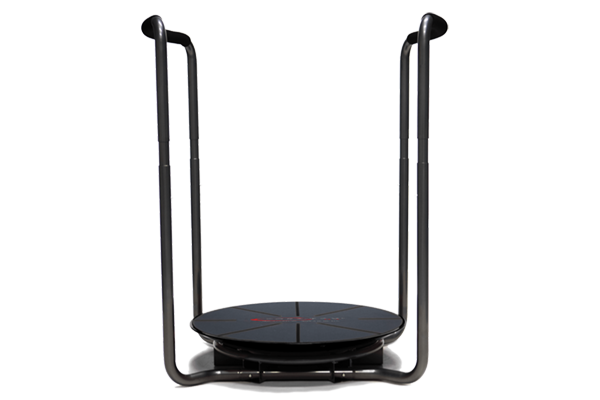
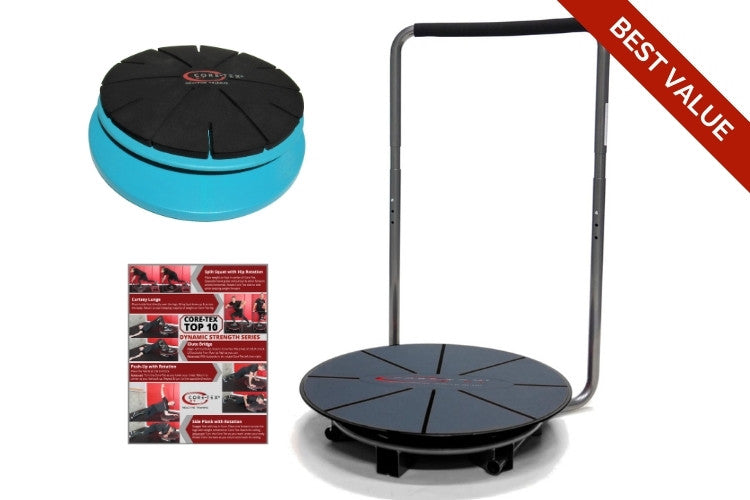
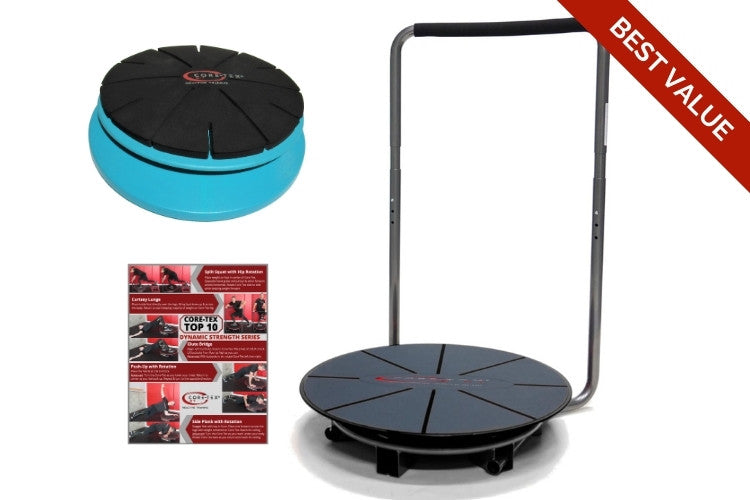
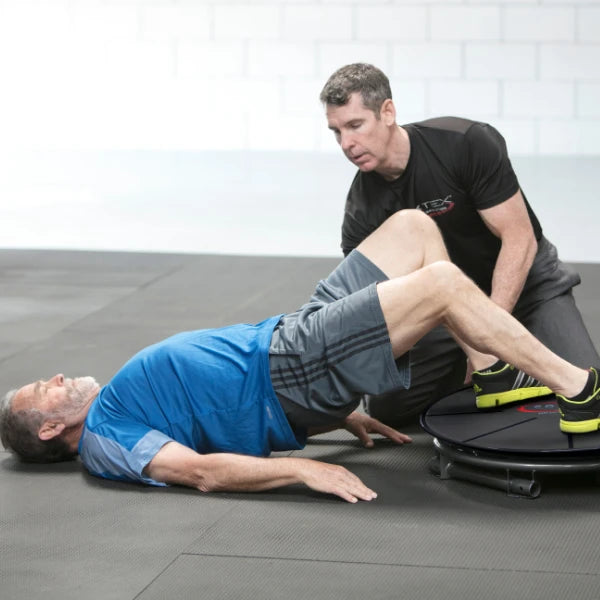
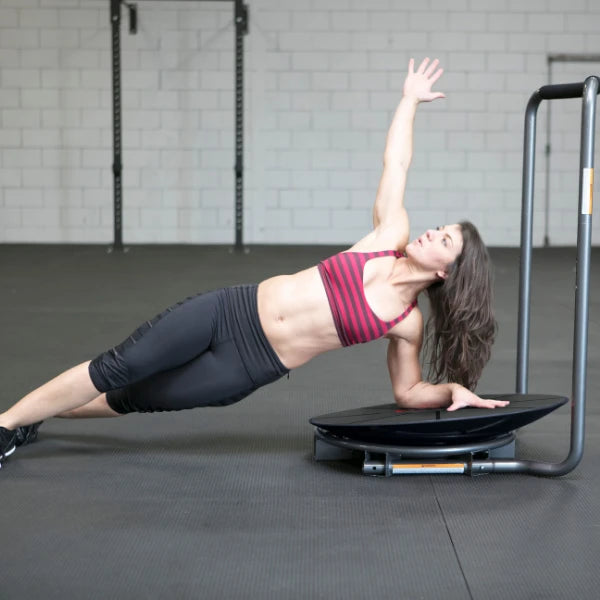
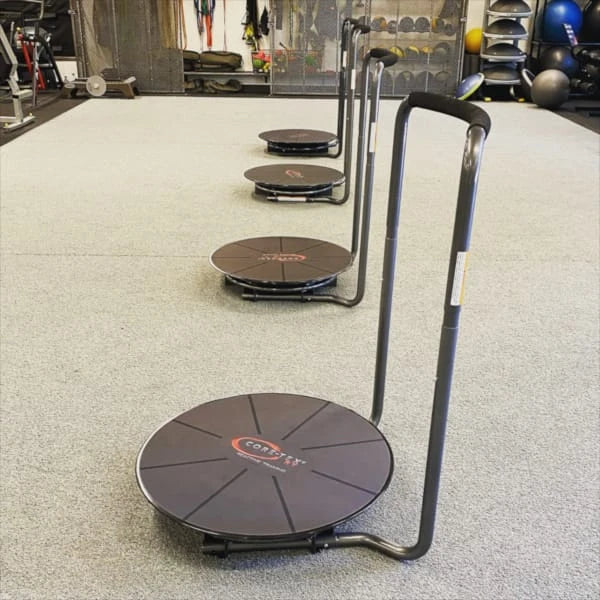
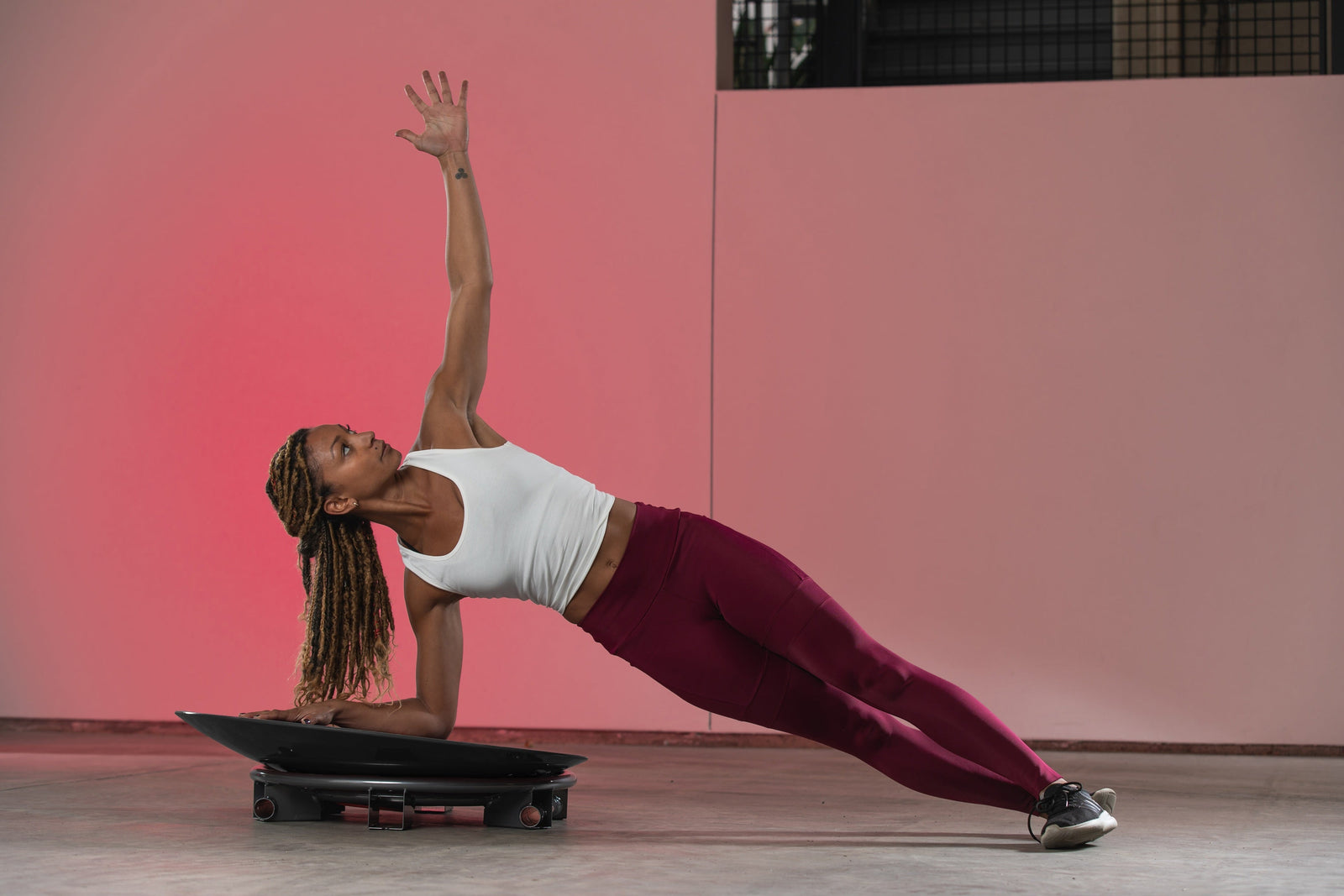
The patented motion of Core-Tex effectively and efficiently influences your hardware (muscles and connective tissue) and software (nervous system). Simple moves that can be done on the range or in the clubhouse pre-round, or in the gym as a part of more comprehensive mobility program.
Learn more about Core-Tex and golf here.





Leave a comment (all fields required)