






Active Sitting & Pelvic Floor Health: The Biomechanics of Core-Tex Sit
Why Static Sitting Causes Tissue Breakdown
When we sit in standard office chairs, our bodies settle into low-energy static positions. We slouch. Within just 20 minutes, passive tissue deformation—known clinically as physiological creep—sets in. The spinal ligaments elongate, core engagement dials down, and mechanical stress accumulates in the lower back and pelvis.
Standard air discs or "wobble cushions" attempt to solve this, but their squishy surfaces compress under weight, bottoming out and sticking in that position.
The Science of Micro-Variability
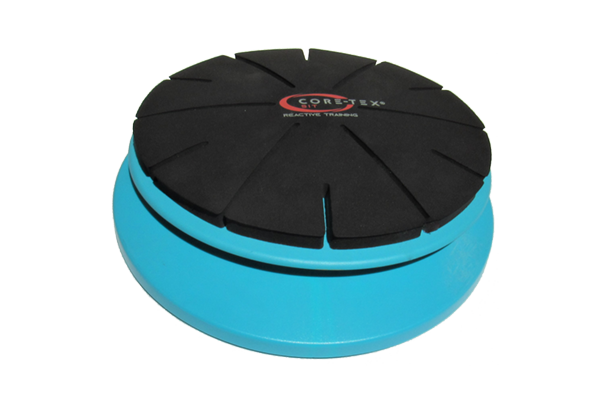
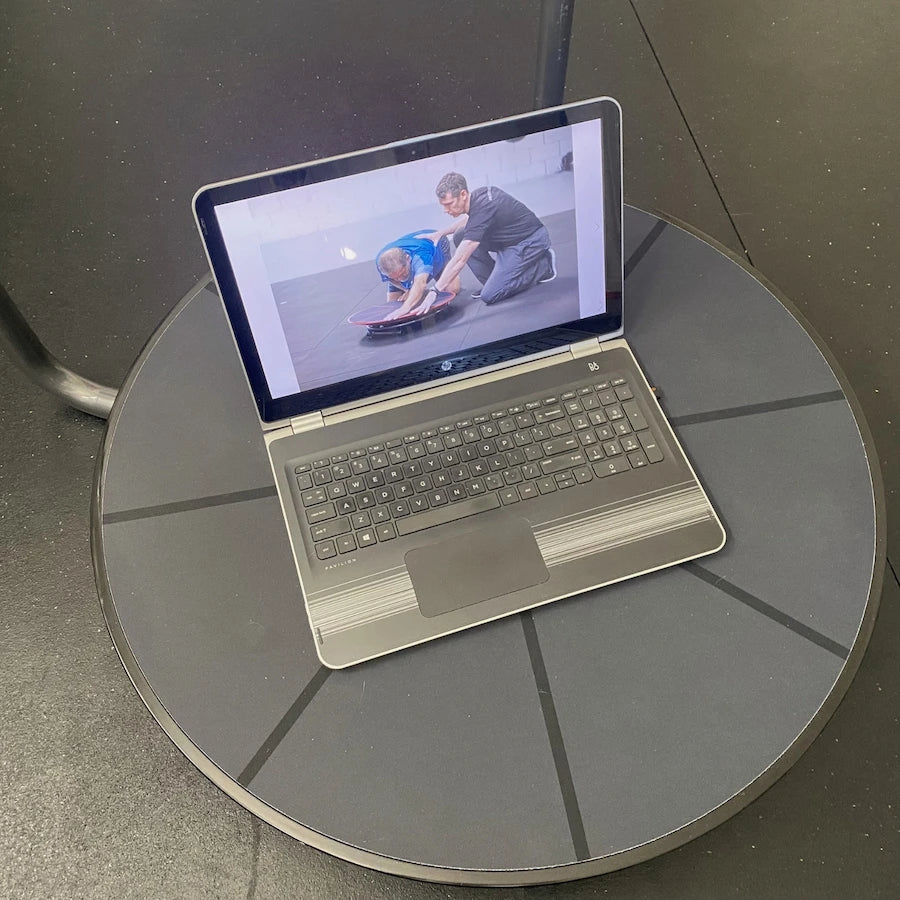
In a recent interview with the National Academy of Sports Medicine (NASM), we broke down how the patented convex base and dynamic movement of Core-Tex Sit solve the static sitting problem through micro-variability.
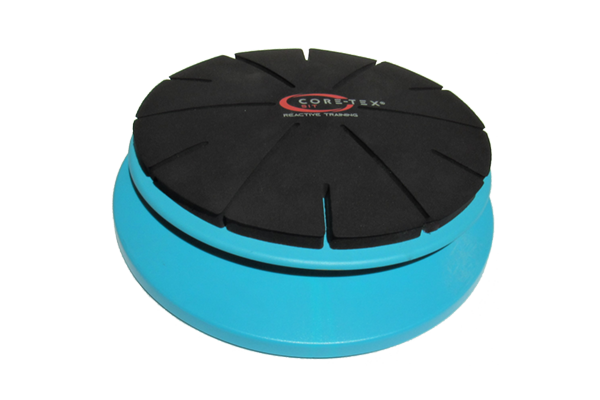
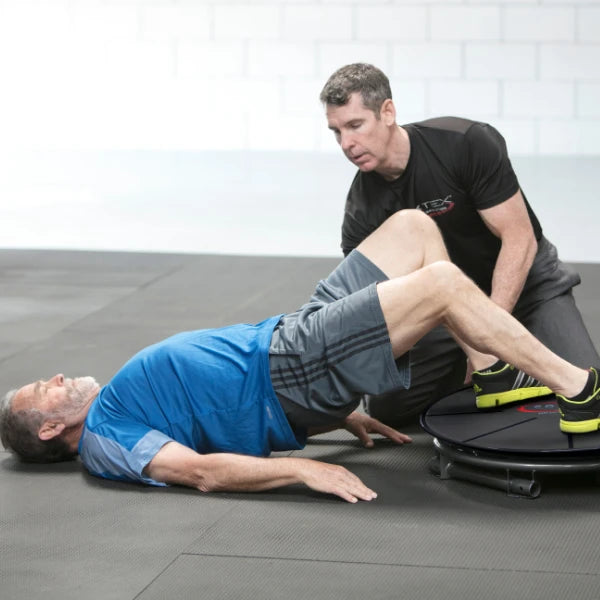
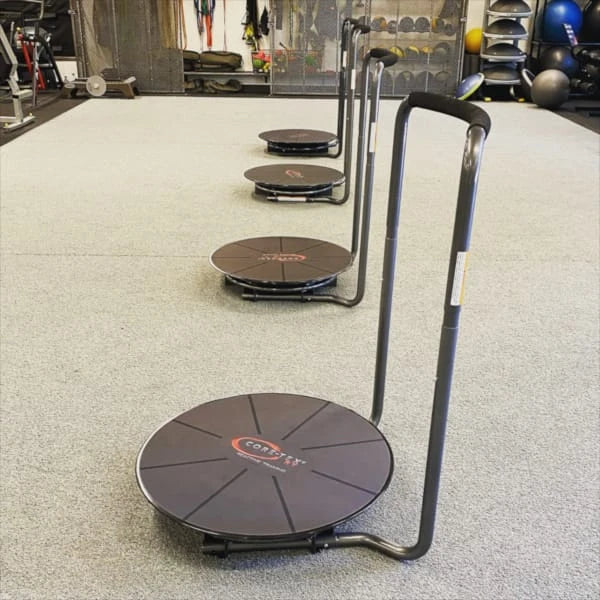
Unlike flat air discs, Core-Tex Sit features a firm, convex surface mounted on a reactive mechanism that moves in three dimensions. Every subtle weight shift—reaching for a mouse, looking out a window, or adjusting posture—creates an immediate, continuous balance reaction.
Key Biomechanical Benefits:
-
Pelvic Floor Engagement: The unique convex shape gently spreads the ischial tuberosities ("sit bones"), creating light eccentric loading across the pelvic floor.
-
Coccyx Offloading: Keeps direct pressure off the tailbone while providing subtle sensory feedback to the perineum.
-
Prevention of Physiological Creep: Continuous micro-movements dissipate mechanical stress across different tissues so it never accumulates in one spot.
-
Metabolic & Focus Stimulation: Low-grade, uninterrupted muscle activation keeps the core engaged and helps maintain alertness throughout the workday.
Watch the NASM Breakdown
(2:18 run time)
How to Integrate Core-Tex Sit Into Your Workday
Because Core-Tex Sit features a firm, reactive surface that genuinely challenges and activates postural muscles, it is designed as an active movement tool, not a passive plush cushion:
-
Use in Intermittent Blocks: Start by using Core-Tex Sit for 20 to 30 minutes at a time throughout your workday to introduce movement variety.
-
Listen to Postural Fatigue: When your postural muscles fatigue, transition back to your standard chair surface.
-
Combine with Desk Stretches: Pair active sitting intervals with brief standing or movement breaks to keep hip flexors and spinal tissues healthy.
Why Good Posture Causes Back Pain (And What to Do Instead)
Make Sitting Productive: Turn Desk Time Into Mobility & Strength